The Biopsychosocial Model in Psychedelic Therapy
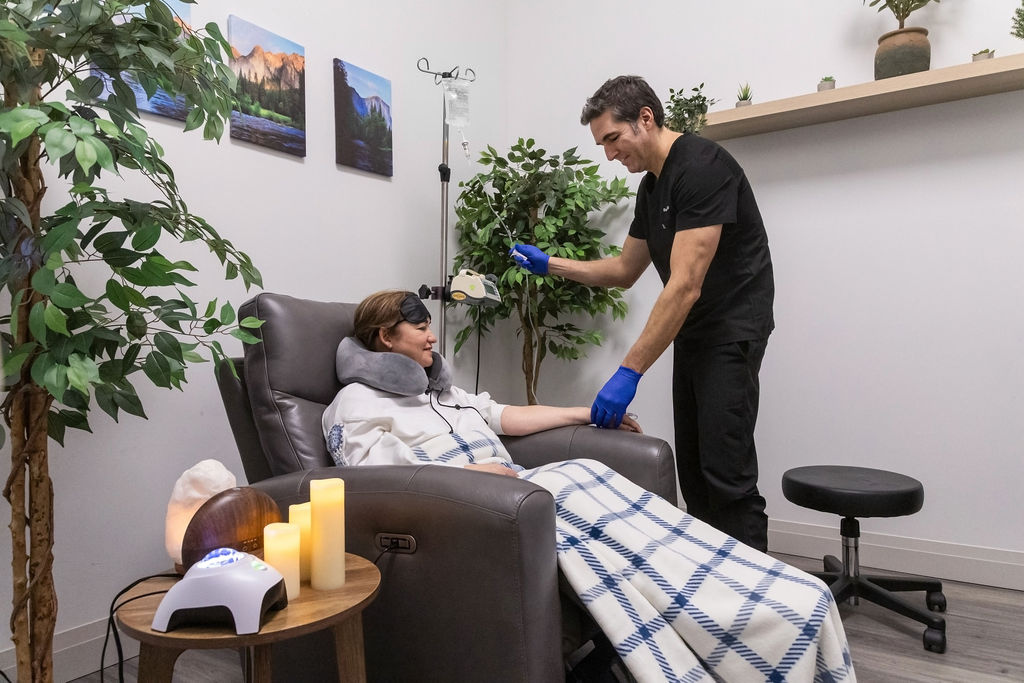
At Ketamind Health, we take a whole-person approach to psychedelic therapy. That means we recognize that the medicine is just one part of the healing process. What surrounds it, including how you prepare, process, and find support, plays an essential role in how well the therapy works.
This perspective is rooted in the biopsychosocial model, a framework introduced by physician and psychiatrist Dr. George Engel in 1977. It reflects a simple but powerful truth: health isn’t determined by biology alone. Psychological factors like mindset and emotional readiness, along with social factors like relationships and daily environment, all influence how healing happens.
In this article, we’ll explore how this whole-person approach can enhance your experience with ketamine therapy, and why it’s a key part of our care philosophy.
What Is the Biopsychosocial Model?
The biopsychosocial model looks at three areas that influence healing in psychedelic therapy: biology, psychology, and social context. Each plays a role in how someone experiences treatment and recovers from emotional distress.
1. Biological Factors

This includes your overall physical health, medical history, and how your brain responds to ketamine, especially the way it promotes neuroplasticity, or the brain’s ability to form new pathways.
2. Psychological Factors

This covers your mindset, emotions, beliefs, and coping skills. Your ability to engage with your thoughts and feelings during and after treatment has a meaningful impact on how you respond.
3. Social Factors

This involves your relationships, daily routines, environment, and sense of support. Whether you feel connected or isolated often affects how well you’re able to carry your progress into everyday life.
When these three areas are addressed together, psychedelic therapy tends to become more effective and sustainable.
How the Biopsychosocial Model Supports Better Outcomes in Psychedelic Therapy
Currently, the only legal medicine used for psychedelic therapy in Toronto and Canada is Ketamine. It is therefore the most widely used psychedelic therapy treatment.
The medicine creates a temporary opportunity for change. The biopsychosocial model helps turn that opportunity into progress by ensuring the right support is in place before, during, and after treatment
1. Biological Support: Personalizing the Medical Approach
Everyone responds to psychedelic therapy a little differently. That’s why safe, personalized care is essential.
At our clinic, we begin with a thorough medical assessment and tailor your treatment plan based on your history and needs. We monitor your response and adjust as needed, which ensures your body is supported throughout the process.
We also emphasize other factors, such as healthy routines and managing daily stress (to the extent possible), to help people better engage with therapy and benefit from the brain’s increased openness during treatment.
2. Psychological Support: Helping Patients Engage With the Experience
Psychedelic therapy often brings forward insights, emotional shifts, or new perspectives. But simply having the experience isn’t enough. Making sense of it matters just as much.
That’s where psychological support comes in.
Before treatment, many patients find it helpful to set a clear intention. During sessions, grounding techniques like breathwork can help with learning how to navigate emotional intensity. After treatment, journaling or working with a therapist can make it easier to process and apply what comes up during your sessions.
These practices strengthen emotional awareness and flexibility, which are qualities that research has linked with better outcomes in ketamine therapy.
3. Social Support: Creating a Supportive Environment for Healing
Your environment, the people you interact with, the routines you follow, and the overall level of support you feel all play powerful roles in how well you maintain your progress after treatment.
Social support doesn’t need to come only from friends or family. Many patients find that working with a therapist, counsellor, or support group are helpful ways to stay connected between sessions and reinforce new perspectives.
Supportive relationships provide:
- A safe space to talk through experiences
- Encouragement and accountability
- Ongoing reflection that keeps progress moving forward
When patients feel supported both clinically and emotionally, it becomes easier to carry the benefits of psychedelic therapy into daily life.
Why Integration Matters

Ketamine activates a period of heightened neuroplasticity — a window where your brain is more able to form new patterns and let go of old ones. But that window doesn’t stay open forever.Integration is the process of turning insight into action. It’s where the real progress happens, not just in the treatment room, but in the days and weeks that follow.
Integration might include:
- Reflecting through journaling
- Continuing therapy or coaching
- Making intentional changes to habits or routines
This follow-up work helps strengthen the shifts made during treatment and supports long-term change.
What Research Tells Us
Studies on ketamine and psychedelic-assisted therapy have consistently shown that factors like psychological flexibility, emotional safety, and social connection strongly influence outcomes.
Patients who feel supported and engaged, not just physically, but emotionally and socially, are more likely to see lasting improvements.
How to Apply the Biopsychosocial Model to Your Treatment
Here are a few simple ways to align with this model:
Before Treatment
- Talk openly with your provider and/or therapist about your goals
- Set a simple, clear intention for the experience
- Get rest and take care of basic needs
During Treatment
- Focus on staying grounded and open
- Use breathwork or mindfulness tools if needed
- Allow emotions or insights to surface without judgment
After Treatment
- Write down what stood out from the session
- Share your experience with a therapist or someone you trust
- Keep showing up for your healing, one step at a time
Conclusion: A Framework That Helps the Medicine Work Better
Ketamine therapy offers a unique opportunity for change — but it works best when the whole person is supported.
The biopsychosocial model helps ensure that support is in place:
✔ Physically, with personalized care
✔ Psychologically, through preparation and reflection
✔ Socially, with relationships that reinforce healing
When all three are considered, treatment becomes more than a moment. It becomes a foundation for lasting progress.
FAQs: Biopsychosocial Model & Ketamine Therapy
What is the biopsychosocial model in ketamine therapy?
It’s a framework that combines biological, psychological, and social support to improve how patients respond to treatment and sustain progress.
Who created the biopsychosocial model?
The model was introduced by Dr. George Engel in 1977 to expand the way medicine understands and approaches healing.
Does therapy help with ketamine treatment?
It’s a framework that combines biological, psychological, and social support to improve how patients respond to treatment and sustain progress.
Why does the environment matter during ketamine therapy?
Supportive environments help reinforce new habits, reduce isolation, and encourage reflection, all of which improve long-term outcomes.
Can ketamine still work without all this support?
Yes, it can, but many patients find that when they also address mindset and support systems, their results go further and last longer.