For many people struggling with treatment-resistant depression in Toronto and Canada, antidepressants are the first treatment offered. While medications can offer symptom improvement for some people, the journey to mental wellness can be far more complex for those who don’t respond to standard treatments. In practice, it’s often not as simple as finding the “right” medication, especially when symptoms don’t improve as expected.
If you’ve tried antidepressants and found that your symptoms continue, or if the side effects are greater than the benefits you receive, you’re not alone. It’s actually very common for people with depression to get only partial relief, or no relief, from their first treatment.
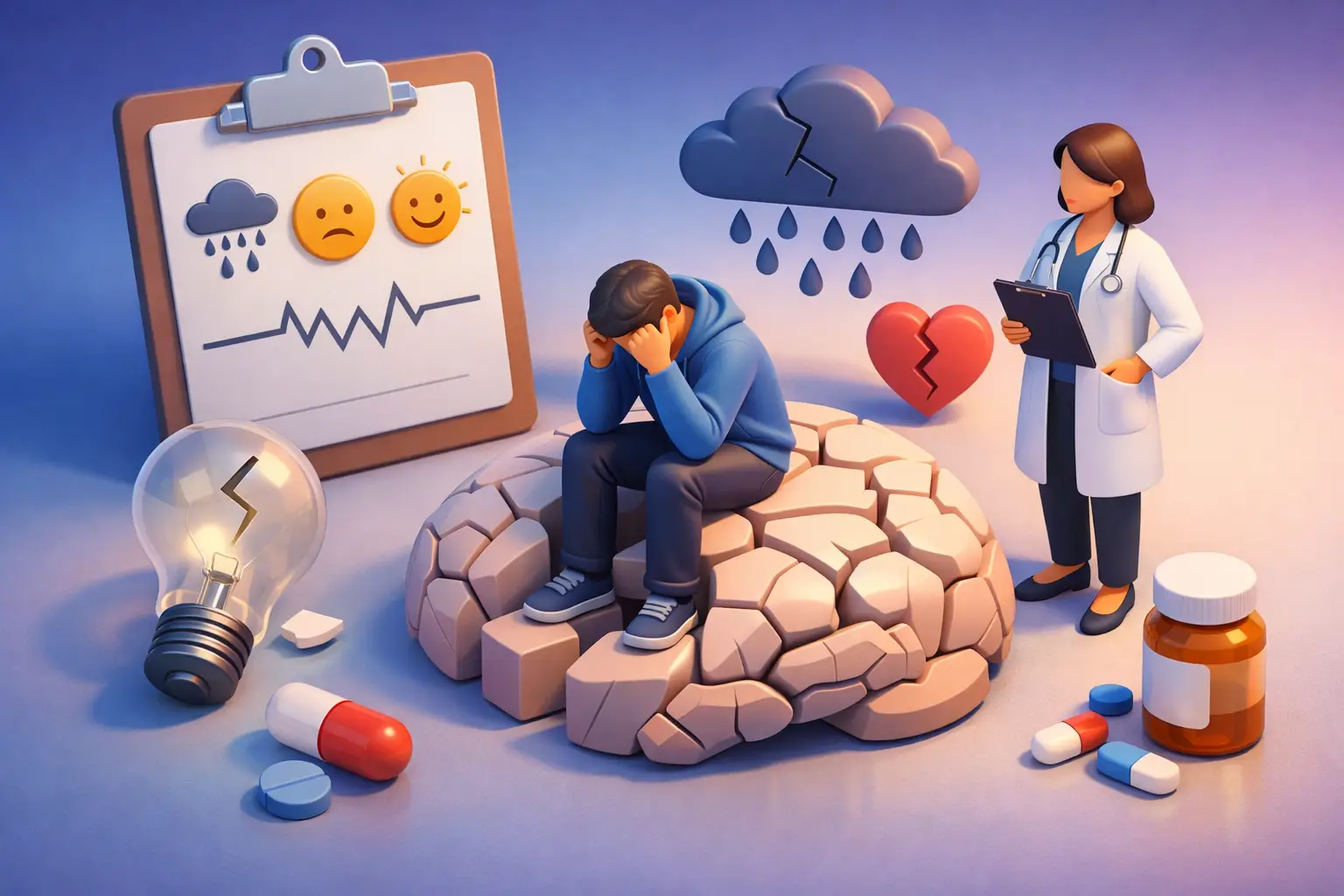
In clinical practice, when someone doesn’t respond enough to at least two antidepressants taken correctly, this is referred to as treatment-resistant depression. However, depression isn’t one single illness with one single cause, so a lack of response can happen for different reasons.
What treatment-resistant depression actually means
Here’s the thing: not all non-response is true resistance. Sometimes the diagnosis needs a second look. Bipolar depression, PTSD, anxiety disorders, ADHD, substance use, chronic pain, sleep disorders, and trauma can all affect how depression presents and how well treatment works. When these overlap, it can make symptoms feel more persistent or harder to treat with standard approaches alone. If the underlying picture is not straightforward, antidepressants may only help a little or not at all.
There are also practical reasons why treatment may fall short. A medication may not have been taken long enough, the dose may have been too low, side effects may have made it hard to continue, or psychotherapy may not have matched the person’s needs. Clinically, this shows up as someone who has “tried everything” but has not actually had a fully structured treatment plan.
Why some depression does not respond to standard treatment
More recent studies are helping us understand that treatment-resistant depression is linked to changes across several brain systems, not just serotonin. These include glutamate signalling, stress response pathways, inflammation, sleep regulation, and the way the brain processes reward and threat. This broader biological understanding is changing how clinicians think about depression. Current thinking is that depression isn’t just a “chemical imbalance”, but that it involves multiple systems working together. What this means is that two people can both have depression while responding very differently to the same medication.
This is one reason that people across Ontario and Canada are turning to new treatment approaches. Research over the past several years has shown that for some patients, even those with long-standing or severe depression symptoms, newer, advanced treatments that work through different brain pathways can help.
Evidence-based options for treatment-resistant depression
When someone is diagnosed with treatment-resistant depression, the next stage of care can involve changing medication, combining medications, adding psychotherapy, or considering treatments with a different mechanism of action. This is where a more personalized approach may be needed. For some people, adding another psychiatric medication is appropriate. However, research indicates that with more medications added, the chances of remission become lower. It’s at this point that more advanced treatments may need to be discussed.
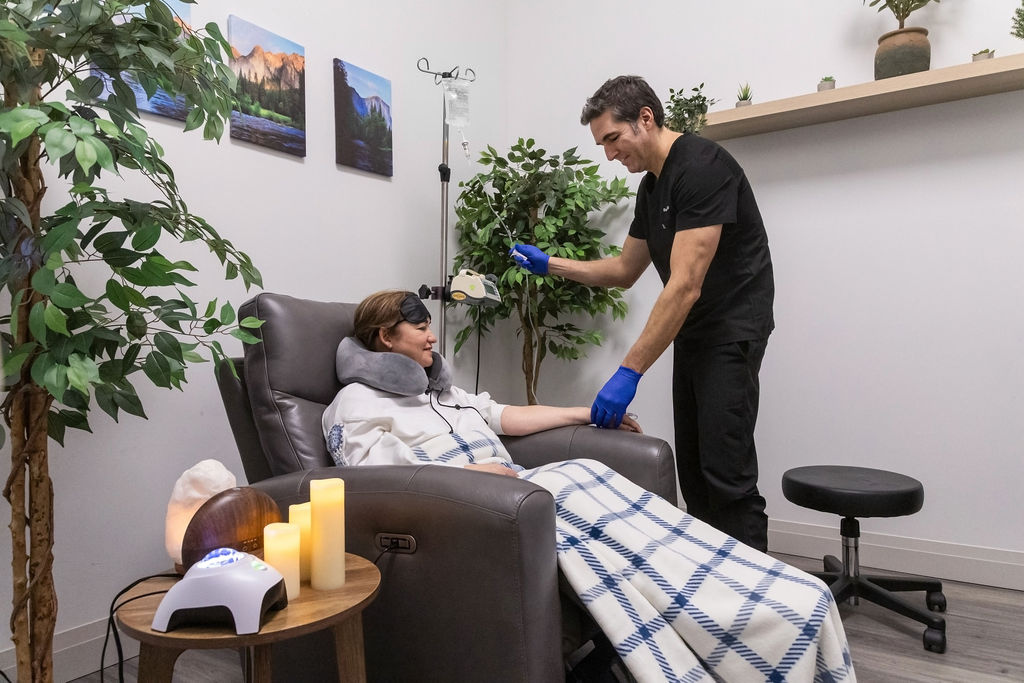
What we’re seeing in newer research is growing support for medically supervised psychedelic approaches. Intravenous ketamine, in particular, has shown rapid antidepressant effects in many studies, including for people with treatment-resistant depression and suicidal thinking. Response to these treatments can happen quickly, sometimes within hours to days. Yet, the best outcomes tend to come from a structured care that includes medical screening, close monitoring, psychotherapy support, and follow-up planning.
This is where the setting matters. A physician-led clinic can assess whether this approach is appropriate, watch for side effects such as temporary changes in blood pressure or perception, and build a treatment plan that is customized around symptoms, history, and goals. For people in Toronto who want an option beyond another medication trial, that level of oversight is often part of what makes the process feel safe and effective.
What improvement can realistically look like
Treatment-resistant depression often improves in stages rather than all at once. You might first notice that you’re waking up with less dread, connecting more with others, or feeling more motivated to do daily activities. Often, this means that there can be subtle changes before the effects of the treatment become noticeable and the mood fully shifts.
It’s important to keep in mind that while this treatment works for most people, it’s not for everyone. There is no medication that people will respond to 100% of the time. Mental health care is about finding the right fit, not a perfect one-size solution. A good plan balances hope with measurement. Symptom tracking, regular clinical review, and aftercare help determine whether a treatment is helping enough to continue, whether it needs adjusting, or whether another option makes more sense.
If you have been living with depression that hasn’t responded to usual care, the most useful next step may be to look at your treatment plan more closely and consider whether a different or more personalized approach could help.
At our Ontario clinic, we start with a thorough assessment and work with you to explore whether this treatment could be a fit. You don’t have to keep cycling through the same approaches without results. As there are other paths forward, for many people, they can lead to improvement.