If you’ve been looking into IV psychedelic therapy, you’re probably trying to understand what it is and whether it’s an option to consider. This guide will walk you through what IV psychedelic therapy is, how it works, and what you can expect from your treatment, so you can make an informed decision about your care.
What Is IV Psychedelic Therapy in Practice?
IV psychedelic therapy is a medically supervised treatment in which a psychedelic medicine is delivered through an intravenous line in a clinical setting. Ketamine is the best-known medicine used in this model. This is because it’s the only psychedelic medication that has been studied extensively, and can legally be prescribed by a physician for mental health and chronic pain conditions in Canada.
In mental health care, this approach is typically used to help people who have not experienced success with standard treatments, such as antidepressants, talk therapy, or a combination of both. The IV route allows clinicians to control dosing precisely, monitor the patient closely, and adjust treatment based on medical response and therapeutic goals.
In a reputable clinic, IV psychedelic therapy is part of a broader treatment process that includes medical screening, psychiatric assessment, preparation, continuous monitoring during treatment, and support afterwards.
The IV method offers a level of precision that other routes do not always match. Because the medication is delivered directly into the bloodstream, onset is predictable and the care team can observe how a patient responds. That does not make it right for everyone, but it’s well-suited to a physician-led environment focused on safety and individualized care.
Why Patients Consider IV Ketamine Therapy
Many patients who pursue this treatment are not new to mental health care. They may have tried multiple medications, attended therapy consistently, or worked hard to manage symptoms that still interfere with daily life. Some feel discouraged. Others are exhausted by partial improvement that never helps them feel better long-term.
This is where IV ketamine therapy may become part of the conversation. It can offer a different pathway for people with treatment-resistant depression, severe anxiety, trauma-related symptoms, or bipolar depression. Many patients report significant symptom improvement within a time period that is typically much faster than that provided by antidepressants.
However. IV psychedelic therapy is not a cure-all, and it’s not appropriate for every person. A high-quality clinic will evaluate the full picture, including physical health, psychiatric history, current medications, and whether the treatment environment can safely support the patient.
How a Medically Supervised Session Works
A typical course begins well before the first infusion. The first step is a medical and psychiatric evaluation to determine whether the patient is an appropriate candidate. This may include reviewing symptoms, treatment history, cardiovascular health, substance use history, and any factors that could increase risk.
If the patient is approved, the treatment plan is customized. People typically need an initial series of infusions over a short period, followed by maintenance sessions based on response. Many people benefit from integrating psychotherapy after treatment to help take advantage of the new flexibility in the brain, known as neuroplasticity, to help create positive shifts after treatment .
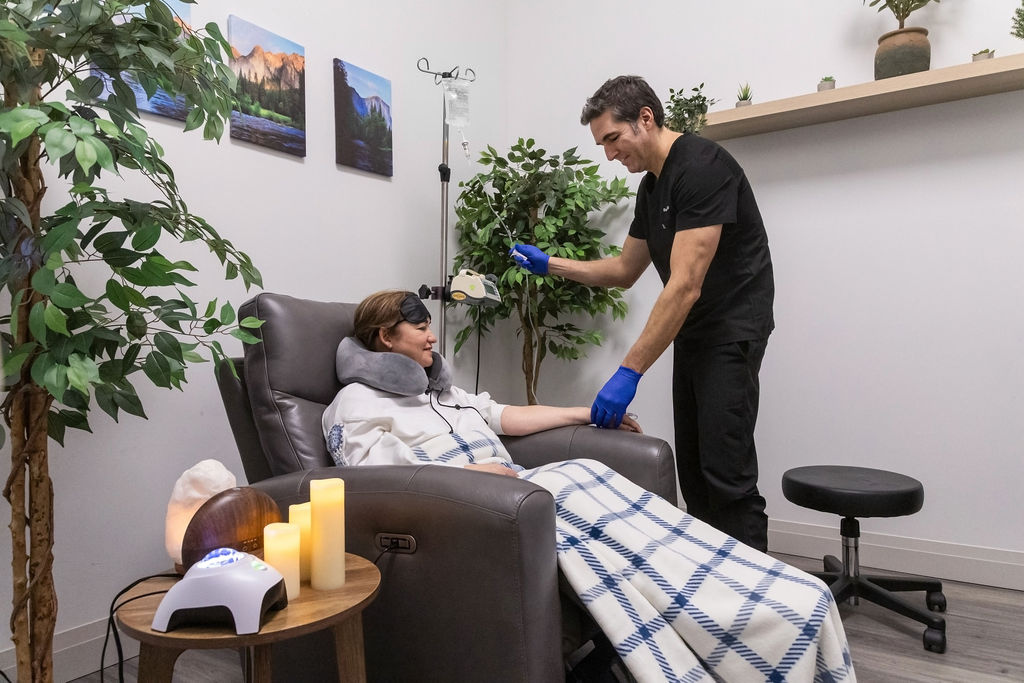
Each infusion typically takes place in a comfortable clinical setting and is monitored by trained clinicians. Vital signs are recorded throughout the session, and the care team remains available throughout. The medicine can create altered perceptions, emotional shifts, or a sense of detachment from ordinary awareness. For some patients, this feels calming or expansive. For others, it can feel unfamiliar or intense. That is one reason trauma-informed support matters so much.
Afterward, recovery time is built into the process. Patients are observed until they are medically stable, and they should not drive themselves home. The clinic may also provide guidance on hydration, rest, emotional processing, and follow-up care. Aftercare should not be treated as an afterthought and should be part of the treatment.
What IV Psychedelic Therapy May Feel Like
People often want to know what the experience is actually like. The honest answer is that it depends on the person, the dose, the setting, and the treatment goal. Some patients feel deeply relaxed. Some experience vivid thoughts or imagery. Some become more aware of emotions they have been carrying for years. Others notice changes less during the session and more in the days that follow.
The experience can be psychologically meaningful, but that does not mean every session feels pleasant or dramatic. Sometimes the benefit is subtle at first. A patient may simply notice that getting out of bed feels easier, negative thought loops feel less sticky, or therapy becomes more productive because the mind feels lighter.
That’s why medically grounded expectations are so important. The goal is not to chase an experience. The goal is to reduce the symptoms of mental health conditions and improve function in a safe and clinically appropriate way.
The Role of Therapy and Integration
One of the biggest misunderstandings about IV psychedelic therapy is the idea that the infusion alone does all the work. In reality, many patients benefit most when the medical treatment is combined with psychotherapy and structured integration. The treatment can help reduce the symptoms of a mental health condition, but support is often needed to make long-lasting changes after the infusions.
For example, a patient with long-standing depression may feel more mental flexibility after treatment. A patient with PTSD may notice a shift in how traumatic material is accessed or tolerated. Those changes can be valuable, but they are often more sustainable when explored with a skilled therapist in a supportive care plan.
This is where clinics with a broader model of care stand apart. At Ketamind Health, IV treatment is approached as one part of a personalized mental health program rather than a standalone service.
Who May Be a Good Candidate
Patients may be considered for IV ketamine therapy when they have not responded enough to traditional care, when symptoms are severe, or when a physician believes psychedelic therapy may offer a new treatment alternative. Common reasons for referral include treatment-resistant depression, persistent anxiety, PTSD, and bipolar depression.
At the same time, some people may not be good candidates. Uncontrolled high blood pressure, certain heart conditions, active psychosis, and some substance use concerns may require caution or rule treatment out altogether. Pregnancy, medication interactions, and diagnostic complexity can also affect eligibility. This is why proper screening is central to safe care.
Safety, Setting, and Why Clinical Oversight Matters
If there is one area patients should take seriously, it’s safety. IV psychedelic administration requires professional oversight, emergency readiness, and clinicians who know how to evaluate both physical and psychological responses.
A supportive physician-led clinic offers medical judgment, individualized dosing, and the ability to respond appropriately if the patient experiences elevated blood pressure, distress, nausea, dissociation, or unexpected psychiatric reactions. It also creates a setting where patients can feel held, respected, and monitored rather than left to navigate an intense experience alone.
A New Approach to Mental Health Care
If you have been asking what IV psychedelic therapy is, the most useful answer is that it’s a highly effective medical treatment that can offer hope for hard-to-treat mental health conditions when other approaches have not done enough. It’s not a magic cure, however it can help a qualified patient to start to see the light at the end of the tunnel.
About Ketamind Health
Founded in 2019, Ketamind Health is a physician-led clinic focused on IV ketamine therapy for people dealing with depression, anxiety, PTSD, and bipolar depression, especially when standard treatments haven’t helped. Our goal is to provide care that’s safe, effective, and tailored to each person.
Care is led by Dr. Darren Ezer, MD, FRCPC, an experienced anesthesiologist and the clinic medical director who has overseen thousands of ketamine treatments. Patients are also supported by Dr. Brian Kirsh, MD, FRCPC, a psychiatrist who helps guide the treatment.
At Ketamind Health, we’re actively involved in research to ensure that our treatments produce the best possible outcomes for our patients. We’re passionate about helping our patients heal, and we’ve designed our space to be calming, private, and supportive to optimize treatment outcomes.