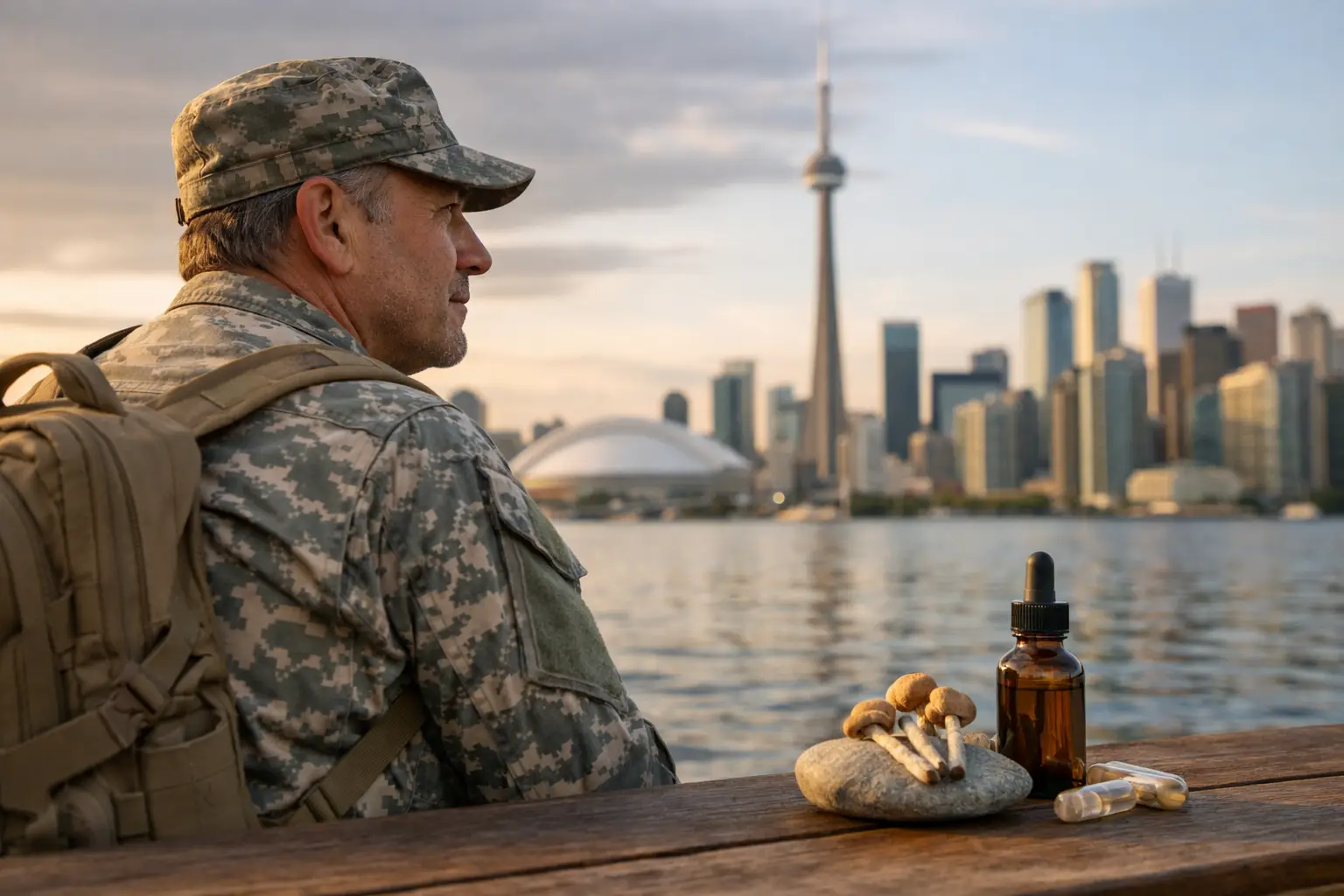
For many veterans, trauma doesn’t show up as just one symptom.
It affects sleep, focus, relationships, and mood, often all at once. Even after leaving dangerous situations, the body can stay stuck in a constant state of alert.
Many describe it as being unable to switch off.
And for a lot of people, the hardest part isn’t starting treatment, it’s what happens when treatment doesn’t go far enough.
That’s why more veterans are starting to look into psychedelic therapy for PTSD as another option when standard treatments haven’t fully worked.
Why Traditional PTSD Treatments Don’t Always Work
Many veterans who struggle with mental health have already tried:
- Medications
- Different types of therapy
- Sleep treatments
- Lifestyle changes
These approaches can help. But sometimes progress stalls.
Symptoms may improve slightly, but daily life still feels limited.
You might still:
- Avoid crowded places
- Feel constantly on edge
- Struggle with emotional connection
- Avoid certain places or situations
This is often called treatment-resistant PTSD, and it’s one of the main reasons people start looking for alternative treatments.
What Psychedelic Therapy Does Differently
Research into psychedelic therapy for PTSD suggests these treatments may work in a different way than traditional approaches.
Instead of only reducing symptoms, they may help change how the brain processes:
- Fear
- Memory
- Emotional responses
For some people, this creates a temporary window where:
- Thoughts feel less rigid
- Emotional access improves
- Therapy becomes easier to engage in
But it’s important to be clear:
The medication itself isn’t the full treatment. The structure around it is what matters most.
Preparation, therapy, and follow-up care all play a major role in long-term results.
MDMA, Psilocybin, and Ketamine Therapy for PTSD
There are a few different treatments often grouped under “psychedelic therapy,” but they are not all the same.
MDMA-assisted therapy:
Strong research for PTSD. Not widely available outside clinical trials.
Psilocybin therapy:
Studied for depression and emotional distress. Still restricted in most medical settings.
Ketamine therapy for PTSD
It is legal and available in Canada, used in medical clinics, and has a large amount of evidence for depression and PTSD-related symptoms.
Ketamine is not a classic psychedelic, but it can produce similar therapeutic effects, especially in how it disrupts negative thought patterns and improves emotional flexibility.
Right now, ketamine therapy for PTSD is the most accessible option for veterans close to the Toronto area.
Why Ketamine Therapy Is More Accessible in Toronto
Access matters, especially when dealing with ongoing symptoms.
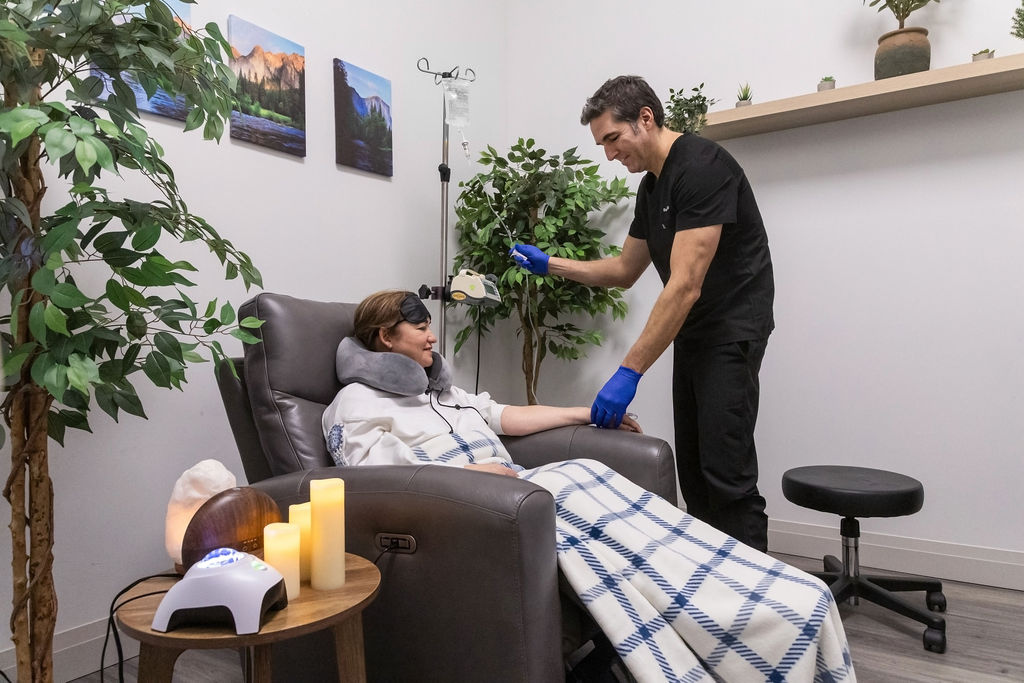
While MDMA and psilocybin treatments are still limited, ketamine therapy in Toronto is available through physician-led clinics.
Treatment typically includes:
- Medical screening before treatment
- Supervised sessions
- Monitoring during treatment
- Follow-up and integration support
This structure helps ensure both safety and effectiveness.
Why Medical Supervision Is Essential
Psychedelic treatments are not something to approach casually.
Veterans often have more complex health profiles, including:
- Multiple diagnoses
- Medication histories
- Physical health considerations
Before starting treatment, proper screening should assess medical and mental health history. During treatment, monitoring matters because these therapies can affect blood pressure, heart rate, and emotional intensity.
After treatment, support is just as important.
Experiences during treatment can bring up strong emotions or memories. Without proper follow-up, it can be difficult to process those changes in a helpful way.
What Real Progress Looks Like
There’s a common belief that psychedelic therapy leads to instant breakthroughs.
In reality, progress is often more gradual.
It might look like:
- Sleeping more consistently
- Feeling less reactive
- Being able to engage in therapy again
- Having more emotional awareness
These changes may seem small, but they often build over time.
For many people, this increased capacity is what allows deeper healing to happen.
How to Choose a Psychedelic Therapy Clinic in Toronto
Not all clinics offer the same level of care.
If you’re considering ketamine therapy in Toronto, it’s important to look at the full treatment model.
Key questions to ask:
- Is there physician oversight?
- Is proper screening done before treatment?
- Is therapy included, or just the medical session?
- What kind of monitoring happens during treatment?
- Is there follow-up support?
A strong clinic focuses on full care, not just the treatment session itself.
Is Psychedelic Therapy Right for You?
Not necessarily, and it’s important to be realistic.
Some veterans respond well to:
- Standard trauma therapy
- Medication adjustments
- Support networks
Others may benefit from newer approaches like ketamine therapy for PTSD, especially when previous treatments haven’t worked well enough.
The key question is:
Does this approach fit your situation, your history, and your goals?
What this Means for Veterans Considering Psychedelic Therapy for PTSD
Veterans aren’t turning to psychedelic therapy because it’s new or unconventional.
They’re exploring it because, for many, standard treatments haven’t gone far enough.
What’s changed in recent years is not just the research. It’s the availability of structured, medically supervised options.
In Toronto, ketamine therapy for PTSD offers a way to explore this approach safely, within a clinical setting that includes screening, monitoring, and psychological support.
For veterans who feel stuck despite real effort, it may be one of the few options that creates enough of a shift to move treatment forward again.
If you’re considering it, the most important step isn’t choosing a treatment right away; it’s speaking with a qualified team who can help you understand whether it fits your situation.